
Blocked Toilet Specialists Ditton
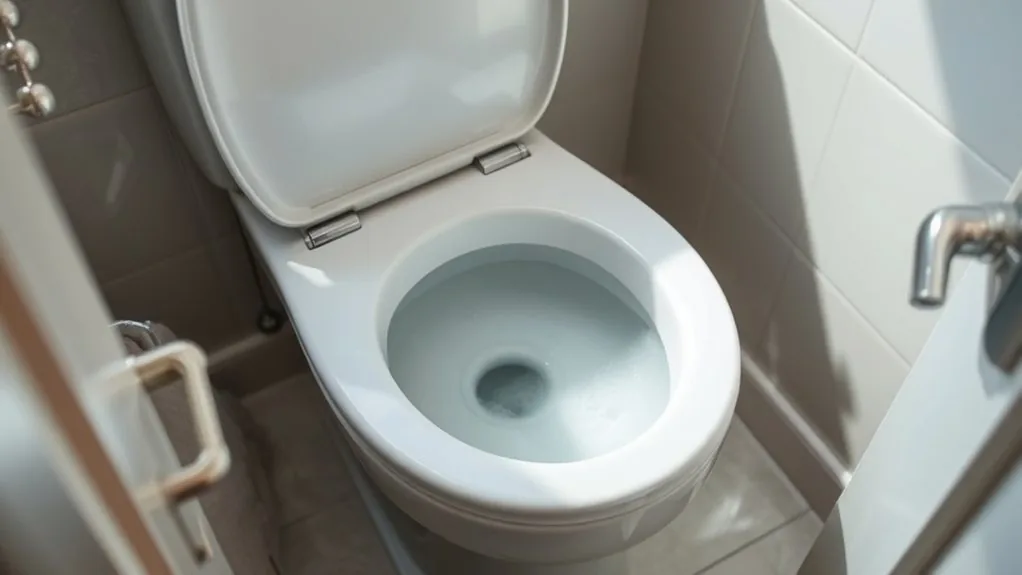
A blocked toilet in Ditton can cause significant disruption and needs prompt, careful attention to avoid further damage.
Using CCTV diagnostics and specialist tools, our engineer-led teams work quickly to clear blockages while protecting your pipework.
Call now for a fast quote or emergency callout in Ditton.
When a toilet’s blocked, “blocked toilet clearance” refers to the systematic process of diagnosing the obstruction, selecting the appropriate method to remove it, and restoring full, reliable flow through the waste pipework. You’re dealing with controlled, step‑by‑step toilet maintenance, not guesswork.
A technician will quickly assess the pan, trap, and waste line, then apply the right plumbing tools: professional plungers, manual or electric drain snakes, wet vacuums, or high‑pressure water equipment for more compacted blockages. Each tool’s chosen to protect the pipework and fittings while clearing the obstruction as fast as possible.
You’re not just getting a one‑off fix; you’re getting a targeted clearance process designed to stabilise your system and minimise the risk of repeat blockages.
When your toilet starts flushing slowly, gurgling, or the water level rises higher than normal, you’re seeing early mechanical warnings that a blockage is forming. Persistent odours from the bowl indicate trapped waste gases and stagnant effluent, signalling that normal flow and ventilation are already compromised. Recognising these signs early is critical to prevent sudden overflow or backflow, so you can arrange prompt blocked toilet clearance before serious damage occurs.
Although a toilet can appear functional on the surface, slow flushing or gurgling sounds from the bowl or nearby drains are technical red flags that a blockage is forming in your system and requires prompt clearance. These flushing issues indicate restricted flow in the trap, soil pipe, or vent stack, and they won’t usually resolve on their own.
You’re hearing air being displaced through trapped water, often due to accumulated scale, wipes, or organic debris. As part of sensible toilet maintenance, you shouldn’t ignore these symptoms; they’re precursors to full obstruction, foul odours, and potential leaks at joints or seals.
Prompt professional diagnosis in Ditton lets an engineer pinpoint the obstruction, restore normal hydraulic flow, and protect your wider drainage system from avoidable damage.
Ever watched the water in your toilet bowl rise alarmingly close to the rim instead of draining away? That abnormal water level isn’t random; it’s a hydraulic indicator that the outflow path is restricted. When you flush, water should move swiftly through the trap and soil pipe. If it surges upward, pauses, or drains only after several seconds, you’re seeing clear warning signs of a developing blockage.
Don’t flush again to “force it through” – that’s how overflows happen. The system’s already operating near capacity, and additional volume can push waste over the rim. Instead, isolate the problem: stop flushing, keep people away from that toilet, and call a professional blocked toilet service in Ditton before the restriction becomes a total obstruction.
Noticing a sour, sewage-like smell lingering around your toilet even after cleaning isn’t just unpleasant—it’s a diagnostic red flag for a developing blockage. Persistent odours indicate trapped organic waste, slow-moving effluent, or a compromised water seal in the toilet trap. Normal toilet cleaning and air fresheners won’t solve this, because the source is inside the pipework.
You’ll often notice the smell intensifies after flushing or when the bathroom’s warm. That’s a sign gases are escaping past partial obstructions and biofilm buildup. Prompt, professional clearance restores full bore flow and proper odour control, protecting both hygiene and your plumbing.
| Symptom | Likely Cause | Required Action |
|---|---|---|
| Sour sewage smell | Partial blockage | Professional clearance |
| Smell after each flush | Trapped waste in trap | Mechanical unblocking |
| Odour despite cleaning | Biofilm in pipe walls | Deep pipe descaling |
When water levels in your toilet bowl rise higher than normal, hesitate to drain, or push back into the pan, you’re no longer dealing with a minor nuisance—you’re in overflow and backflow territory that can quickly damage floors, subfloors, and adjacent fixtures. This behaviour indicates a hydraulic restriction in the trap, soil pipe, or stack, and it won’t clear reliably on its own.
You must treat this as both an overflow prevention and backflow safety issue. Wastewater can reverse into other fixtures, carry pathogens, and compromise your property’s hygiene compliance. Shut off the toilet’s isolation valve if accessible, stop flushing, and keep people away from contaminated areas. Then arrange urgent professional clearance to restore normal discharge rates and system integrity.
Although every blockage looks similar at the toilet bowl, the underlying causes are usually specific and predictable: excessive toilet paper, non-flushable items (like wipes, sanitary products, cotton buds, and nappies), limescale build-up from Ditton’s hard water, and partial obstructions further down the soil pipe or external drain. Understanding these common causes lets you act fast and protect your system through focused toilet maintenance and evidence-based plumbing tips.
When your toilet blocks in Ditton, we move fast with a structured process: precise diagnosis, often supported by CCTV inspection, to confirm the exact cause and location of the obstruction. Depending on what we find, we’ll clear the line using high-pressure jetting, rodding, or mechanical clearance equipment designed for efficiency and to protect your pipework. If the survey shows damage, you’re immediately advised when a targeted repair or trenchless relining is required to restore full, long-term function.
Because a blocked toilet can escalate into serious water and structural damage within hours, our first priority in Ditton is rapid, accurate diagnosis using professional-grade tools and CCTV inspection. We begin with a structured assessment: checking water levels, flush performance, trap integrity, and signs of backflow. This tells us whether you’re facing a local obstruction, venting issue, or a deeper drain problem.
Next, we feed a high-resolution CCTV camera through the toilet line to identify the exact blockage point, pipe condition, and any cracks or root ingress. You’ll get clear findings, not guesswork. We then advise targeted Toilet maintenance and practical Plumbing tips tailored to your property, helping you prevent repeat blockages and protect your system from avoidable failures.
Once our inspection confirms the blockage location and severity, we deploy high‑pressure water jetting to clear your blocked toilet line in Ditton fast, before rising wastewater can cause structural or hygiene damage. You get an immediate, forceful cleaning action that strips away grease, wipes, scale, and organic build‑up from internal pipe walls.
| Jetting Feature | Why It Protects Your Property |
|---|---|
| Calibrated nozzle heads | Targets obstruction without pipe damage |
| Variable pressure control | Matches older or modern pipe materials |
| Continuous flow monitoring | Prevents surge and back‑spray risk |
| Integrated safety valves | Maintains controlled operating pressure |
| Post‑jet drain inspection | Confirms full restoration of flow |
This method’s more intensive than standard pressure washing, but tightly controlled, so your system’s cleared quickly, safely, and with minimal disruption.
Although high‑pressure jetting resolves most blocked toilet issues in Ditton, some clogs demand precise rodding and mechanical clearance to physically break through dense obstructions. When you’ve got wipes, compacted scale, or solid debris lodged in the line, our engineers deploy sectional steel rods and powered mechanical cutters sized to your pipework.
We feed rods methodically through the system, monitoring resistance so we don’t damage joints or delicate bends. Mechanical heads then rotate to slice, bore, and fragment the blockage, restoring full bore flow quickly.
This approach is essential when urgent disruption is minimal but force must be accurately targeted. We’ll also advise you on toilet maintenance and schedule follow‑up plumbing inspections where needed, helping you prevent another sudden, disruptive blockage.
Rodding and jetting restore flow in most blocked toilets in Ditton, but some systems show damage that needs repair or relining instead of repeated clearance. When we survey your pipework with CCTV, we’re looking for cracks, displaced joints, root ingress, or severe scale that’ll keep causing blockages unless it’s fixed.
If defects are localised, we may install a patch liner; for longer damaged runs, we recommend full pipe relining to create a seamless, corrosion‑resistant bore. Where pipes have collapsed or are badly deformed, excavation and replacement are essential.
We’ll explain options clearly, prioritising rapid risk reduction and long‑term toilet maintenance. Our practical plumbing tips focus on preventing wipes, fats, and foreign objects from re‑entering your newly restored system.
When a toilet blockage in Ditton threatens to shut down your home or business, you need a team that’s already nearby and ready to move. You can’t wait for guesswork; you need a timed, traceable response. That’s why our engineers are strategically deployed across Ditton, using GPS-dispatched vans equipped with high-pressure jetting units, CCTV survey cameras, and mechanical augers.
From first call, we triage your issue, assess risk of overflow, and prioritise the closest operative to minimise downtime. While on route, we’ll advise you on immediate toilet etiquette to reduce loading on the system and prevent backflow. On-site, we use eco friendly solutions wherever possible, protecting your pipework, septic systems, and the wider Ditton drainage network.
Because blocked toilets sit at the junction between your internal plumbing and the public sewer network, responsibility isn’t always as obvious as it looks. In most Ditton properties, you’re responsible for everything up to the boundary where your private pipework meets the shared or public sewer. If the blockage is in your toilet, internal soil stack, or private lateral drain, it’s normally your duty to arrange clearance.
Once the obstruction lies in a shared section or public sewer, the water company is usually liable under current plumbing regulations. Misuse and poor toilet etiquette (wipes, fats, sanitary products) can shift blame back to you, even in rented properties. When you’re unsure, you need rapid professional assessment to identify the blockage point and assign responsibility correctly.
Although a blocked toilet can feel like a one‑off crisis, you prevent most repeat incidents in Ditton by controlling what enters the system and by maintaining the pipework before faults escalate. Focus your toilet maintenance on what your drainage can realistically process: only human waste and toilet paper. Everything else increases the risk of partial obstructions that later become full blockages.
Use these targeted plumbing tips to stay ahead of trouble:
Instead of waiting for a minor blockage to become a health risk, you can rely on our Ditton‑based engineers to restore your toilet quickly, cleanly, and to industry standards. You’re protected by certified drainage specialists who use CCTV diagnostics, high‑pressure water jetting, and mechanical rodding to clear blockages without damaging pipework.
We prioritise toilet hygiene and water conservation in every clearance, ensuring effluent is contained, flushed lines are sanitised, and fixtures are checked for leaks that waste water and increase bills.
| Priority | What We Do | Benefit to You |
|---|---|---|
| Fast Response | Local engineers dispatched immediately | Minimises overflow and damage |
| Technical Accuracy | CCTV and calibrated jetting pressures | Safe, complete obstruction removal |
| Hygiene & Efficiency | Sanitary, water‑saving procedures | Cleaner, cheaper, compliant system |
You need clear, fast answers on response times, costs, and what you can safely try before calling a specialist. In this FAQ, you’ll see exactly how quickly we can reach you anywhere in Ditton, typical pricing structures, and what’s included in a standard blocked toilet clearance. We’ll also confirm the areas we cover in Ditton so you know whether a trained engineer can be dispatched to your property without delay.
When a toilet backs up, response time’s critical, so our Ditton engineers aim to be on-site for blocked toilet clearance within 60–90 minutes for urgent callouts, subject to local traffic and workload. In severe overflows, we prioritise you based on risk to property, hygiene, and vulnerable occupants.
Our dispatch system allocates the nearest qualified drainage technician, with van-stocked jetting units, mechanical augers, and CCTV equipment, so we can diagnose and clear most blockages on the first visit. We also offer rapid advice over the phone: emergency tips to limit water damage and protect your property.
For less urgent issues, such as slow-flushing toilets or routine Toilet maintenance checks, we’ll schedule a convenient same-day or next-day appointment across Ditton.
Wondering what blocked toilet clearance in Ditton will actually cost before you commit? You’ll be quoted based on blockage severity, access, and time on site, not vague estimates. A straightforward obstruction from excess toilet paper in a single pan is typically at the lower end, as it usually requires only standard plumbing tools and minimal labour time.
More complex blockages, such as those deeper in the soil pipe or stack, may involve diagnostic work, like CCTV inspection, which increases cost but prevents repeat failures. Transparent pricing means you’ll know the call‑out, labour bands, and any parts before work starts. Acting quickly is essential: waiting can escalate a minor restriction into a full system backup, increasing both disruption and the final invoice.
Cost aside, the first instinct is often to try clearing a blocked toilet yourself, and in many cases that’s reasonable if you follow strict safety and technical steps. You must act fast but methodically: isolate the water at the shut‑off valve, protect the floor, and wear gloves and eye protection.
Here are focused DIY tips and decision points:
| Situation | Action you should take | Risk level |
|---|---|---|
| Water rising rapidly | Shut valve, don’t flush again, call for help | High |
| Minor, slow-draining blockage | Use a flange plunger with steady vertical strokes | Medium |
| Visible object in pan | Remove with a grabber tool, never bare hands | Medium |
| Repeated blockages, foul smells | Stop DIY, arrange professional investigation | High |
Use only suitable plumbing tools; avoid harsh chemicals that can damage pipework.
Not sure if a blocked‑toilet engineer can reach you in Ditton before things overflow? We probably can. Our rapid‑response teams operate across most of Ditton, including major towns and rural postcodes. When you call, we’ll confirm coverage instantly using your full postcode and advise the fastest ETA based on live scheduling and traffic data.
Our engineers are fully trained on local plumbing infrastructure, regional water authority standards, and current plumbing regulations, so any work on your toilet stack, soil pipe, or venting is fully compliant. We’ll also advise on toilet etiquette specific to your system’s capacity, helping you prevent repeat blockages. If you’re on the boundary of Ditton, still contact us—we’ll assess feasibility or recommend a trusted partner.
Yes, we offer discreet blocked toilet services for businesses and public venues in Ditton. Our engineers arrive in unmarked vehicles and use low-noise jetting and CCTV diagnostics to reduce disruption. We work around your trading hours, follow strict hygiene and safety protocols, and provide full waste-compliance documentation.
Yes, you can get help if your only toilet is blocked late at night. If you notice gurgling, rising water, or bad smells, do not ignore them. While waiting for an engineer, turn off the water at the shut-off valve, avoid flushing repeatedly, and do not use harsh chemicals to protect the pipes and prevent flooding.
Yes, unblocking your toilet can permanently remove bad odours if the underlying cause is fully resolved. This involves clearing the blockage, cleaning the trap, checking the vent pipe, and ensuring the seal at the toilet base is intact. If odours continue, further investigation for leaks, biofilm buildup, or hidden pipe issues is necessary.
Yes, we can inspect your entire drainage system during the same visit. We use specialist equipment like CCTV survey cameras and tracing tools to check pipe condition, flow rates, junctions, and manholes. This helps identify hidden defects, root ingress, and partial blockages to reduce the risk of future issues.
Yes, our blocked toilet unblocking methods are safe for septic tanks. We use techniques such as low-pressure jetting, mechanical rodding, and septic-safe agents that do not harm the bacterial balance or system structure. Harsh chemicals and oxidizers are avoided to prevent damage to the soakaway and sludge layers.
Popular toilet brands available in the UK:
These brands are well-known for offering a variety of toilet styles, including close-coupled, wall-hung, back-to-wall, and traditional designs, catering to different preferences and budgets.
Although a blocked toilet can escalate quickly from a minor nuisance to a serious hygiene and property-damage risk, you can get it cleared fast with the right professional response. You don’t have to guess what’s wrong; we use technical diagnostics, including CCTV inspections and pressure testing, to pinpoint the obstruction and restore full flow safely.
| Feeling Right Now | What You Need Immediately |
|---|---|
| Embarrassed by the mess | A clean, discreet clearance |
| Worried about sewage backup | Rapid, controlled waste removal |
| Anxious about repair costs | Transparent, fixed-rate options |
| Afraid of repeat blockages | Practical, engineer-led advice |
We’ll stabilise the situation, protect flooring and pipework, then clear the line using appropriate pressure or mechanical methods. You’ll also get focused Toilet maintenance and Plumbing tips to reduce future risk.